
Embark on a journey through the realm of HR ERP systems, where efficiency meets innovation. This introduction sets the stage for a deep dive into the world of human resource management and enterprise resource planning systems, offering insights that are both enlightening and captivating.
Unveiling the intricacies of HR ERP systems, this guide sheds light on their significance in modern organizational operations and the transformative impact they can have on businesses of all sizes.
Overview of HR ERP Systems

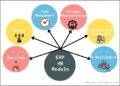
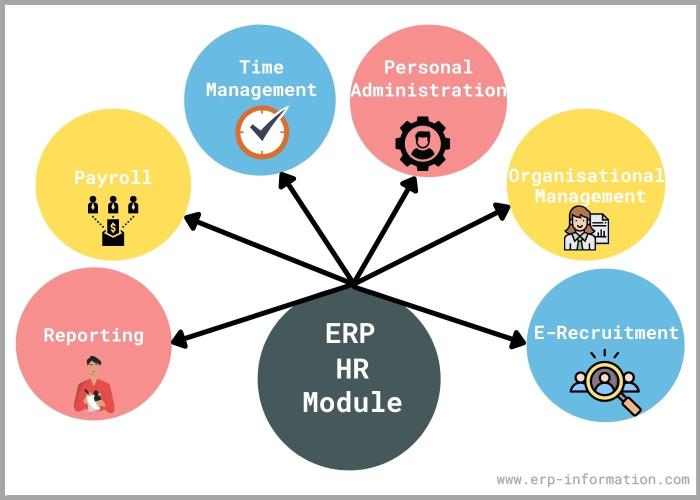
HR ERP systems, or Human Resources Enterprise Resource Planning systems, are software solutions designed to streamline and automate HR processes within an organization. These systems integrate various HR functions such as payroll, recruitment, training, performance management, and employee benefits into a single platform, providing a centralized database for all HR-related activities.
Popular HR ERP Systems
- SAP SuccessFactors: A cloud-based HR system that offers modules for talent management, workforce analytics, and employee engagement.
- Oracle HCM Cloud: Provides a comprehensive suite of HR applications for managing HR processes, talent acquisition, and employee development.
- Workday HCM: An all-in-one HR software solution that covers HR, payroll, and workforce planning, with a focus on user experience and analytics.
Benefits of Implementing an HR ERP System
Implementing an HR ERP system can bring several benefits to businesses, including:
- Increased efficiency: By automating manual HR processes, organizations can save time and resources, allowing HR teams to focus on strategic tasks.
- Improved data accuracy: With a centralized database, HR ERP systems reduce the risk of errors in HR information and ensure data consistency across the organization.
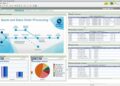
- Enhanced decision-making: Access to real-time analytics and reports enables HR managers to make informed decisions based on data-driven insights.
- Better employee experience: HR ERP systems facilitate self-service options for employees, such as accessing pay stubs, requesting time off, and updating personal information, leading to improved employee satisfaction.
Key Features of HR ERP Systems
HR ERP systems come with a range of key features that help organizations streamline their HR processes efficiently.
Payroll Management
- Automated payroll processing to ensure accurate and timely payments to employees.
- Integration with attendance and leave management systems for seamless payroll calculations.
- Compliance with tax regulations and reporting requirements.
Recruitment and Onboarding
- Centralized job posting and applicant tracking to streamline the recruitment process.
- Automated onboarding tasks to ensure a smooth transition for new hires.
- Integration with HR analytics for data-driven recruitment decisions.
Performance Management
- Goal setting and tracking features to align employee performance with organizational objectives.
- 360-degree feedback mechanisms for comprehensive performance evaluations.
- Automated performance appraisal processes to provide timely feedback to employees.
Cloud-Based vs. On-Premise Solutions
Cloud-based HR ERP systems offer the flexibility of remote access and scalability, making them suitable for organizations with distributed teams or varying workforce sizes. On the other hand, on-premise solutions provide greater control over data security and customization options but may require higher initial investments and maintenance costs.
Implementation of HR ERP Systems
Implementing an HR ERP system in an organization is a complex process that requires careful planning and execution. It involves several steps to ensure a successful integration of the system into the company’s operations.
Steps involved in implementing an HR ERP system:
- Conduct a thorough needs assessment to determine the specific requirements of the organization.
- Choose the right HR ERP system that aligns with the company’s goals and objectives.
- Develop a detailed implementation plan with clear timelines and milestones.
- Customize the system to meet the unique needs of the organization, including data migration and integration with existing systems.
- Train employees on how to use the new system effectively.
- Test the system thoroughly before full deployment to ensure functionality and performance.
- Monitor and evaluate the system post-implementation to address any issues or make necessary adjustments.
Challenges during implementation and how to overcome them:
- Resistance to change from employees who are accustomed to traditional HR processes. To overcome this, provide comprehensive training and support to help employees adapt to the new system.
- Data security and privacy concerns. Implement robust security measures and compliance protocols to safeguard sensitive HR information.
- Integration issues with existing systems. Work closely with IT professionals to ensure seamless integration and data synchronization.
Best practices for a successful HR ERP system implementation:
- Engage key stakeholders throughout the implementation process to ensure alignment with organizational goals.
- Communicate transparently with employees about the benefits and impact of the new system on their daily tasks.
- Allocate sufficient time and resources for training to empower employees to leverage the full potential of the HR ERP system.
- Regularly evaluate the system’s performance and gather feedback from users to continuously improve and optimize its functionality.
Integration with Other Systems
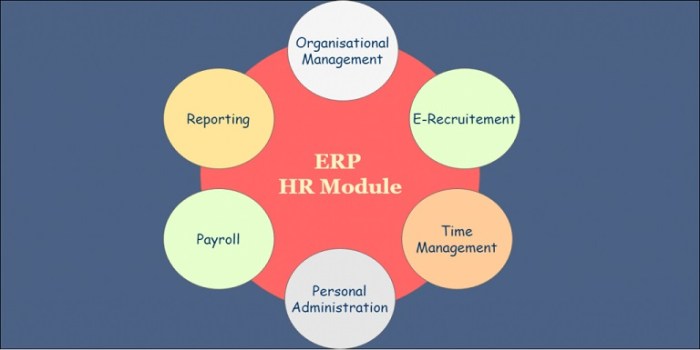
Integrating HR ERP systems with other business systems is crucial for streamlining operations and enhancing overall efficiency.
Importance of Integration
Integrating HR ERP systems with other business systems like accounting or CRM allows for seamless data flow and communication between departments. This integration ensures that information is up-to-date across all platforms and eliminates the need for manual data entry, reducing errors and saving time.
Common Integrations and Enhancements
- Integration with Accounting Systems: By integrating HR ERP systems with accounting software, payroll data can be automatically synced, ensuring accurate financial reporting and compliance.
- Integration with CRM Systems: Connecting HR ERP systems with CRM platforms enables a holistic view of employee and customer data, leading to better customer service and personalized interactions.
- Integration with Inventory Management Systems: Integrating HR ERP systems with inventory management systems helps in tracking employee productivity and optimizing inventory levels based on demand forecasts.
Impact on Data Accuracy and Decision-Making
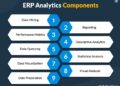
Seamless system integration plays a significant role in enhancing data accuracy and improving decision-making processes within the organization. With integrated systems, decision-makers have access to real-time, consolidated data from various departments, enabling them to make informed decisions quickly and effectively.
This leads to improved operational efficiency and better strategic planning.
Security and Compliance in HR ERP Systems
When it comes to HR ERP systems, ensuring security and compliance is crucial to safeguard sensitive employee data and adhere to regulatory requirements.
Security Measures in HR ERP Systems
HR ERP systems employ various security measures to protect sensitive employee data, such as:
- Role-based access control to limit data access to authorized personnel only.
- Encryption of data both in transit and at rest to prevent unauthorized access.
- Regular security audits and vulnerability assessments to identify and address potential threats.
- Multi-factor authentication to enhance user authentication and prevent unauthorized logins.
Compliance Requirements for Organizations
Organizations using HR ERP systems need to consider various compliance requirements, including:
- GDPR (General Data Protection Regulation) compliance to protect the personal data of employees.
- Regulatory compliance such as HIPAA (Health Insurance Portability and Accountability Act) for handling healthcare data.
- Data retention and deletion policies to ensure compliance with legal and regulatory standards.
Strategies for Ensuring Data Security and Compliance
To ensure data security and compliance within HR ERP systems, organizations can implement the following strategies:
- Regular training and education for employees on data security best practices.
- Implementing data encryption and access controls to protect sensitive information.
- Conducting regular audits and assessments to identify and address security vulnerabilities.
- Establishing clear data governance policies to ensure compliance with regulations and standards.
Ultimate Conclusion
In conclusion, the intricate web of HR ERP systems unravels to reveal a tapestry of enhanced efficiency, streamlined processes, and empowered decision-making. As organizations navigate the complexities of human resource management, the adoption of HR ERP systems emerges as a beacon of progress and prosperity in the digital age.
Detailed FAQs
What are the key functions of HR ERP systems?
HR ERP systems primarily handle tasks related to human resource management, such as payroll processing, recruitment, and performance evaluation.
How do cloud-based HR ERP systems differ from on-premise solutions?
Cloud-based HR ERP systems offer the advantage of accessibility from anywhere with an internet connection, while on-premise solutions are hosted locally on company servers.
What are some common challenges during the implementation of HR ERP systems?
Challenges may include data migration issues, resistance from employees to adapt to new systems, and ensuring system compatibility with existing infrastructure.
How do HR ERP systems ensure data security and compliance?
HR ERP systems employ encryption protocols, access controls, and regular security audits to safeguard sensitive employee data. Compliance with regulations such as GDPR and HIPAA is also crucial.