
ERP planning plays a crucial role in streamlining business operations and maximizing efficiency. In this comprehensive guide, we will delve into the key aspects of ERP planning, from its definition to best practices and emerging trends. Whether you’re a business owner looking to implement an ERP system or a professional aiming to enhance your knowledge, this guide will provide valuable insights to help you navigate the world of ERP planning.
Introduction to ERP Planning
ERP planning, or Enterprise Resource Planning planning, is a strategic process that involves the identification and allocation of resources to achieve specific business objectives efficiently. It plays a crucial role in streamlining operations, enhancing productivity, and maximizing profitability in organizations of all sizes.
Significance of ERP Planning
ERP planning is significant in business operations as it helps in integrating various functions across departments, facilitating real-time data access, improving decision-making, and ensuring overall business process optimization.
Primary Objectives of ERP Planning
- Enhancing operational efficiency and productivity
- Improving data accuracy and visibility
- Facilitating better decision-making processes
- Ensuring regulatory compliance and risk management
Key Components of ERP Planning
- Selection of appropriate ERP software
- Customization and implementation of ERP solution
- Data migration and integration
- User training and change management
- Continuous monitoring and evaluation
Types of ERP Systems
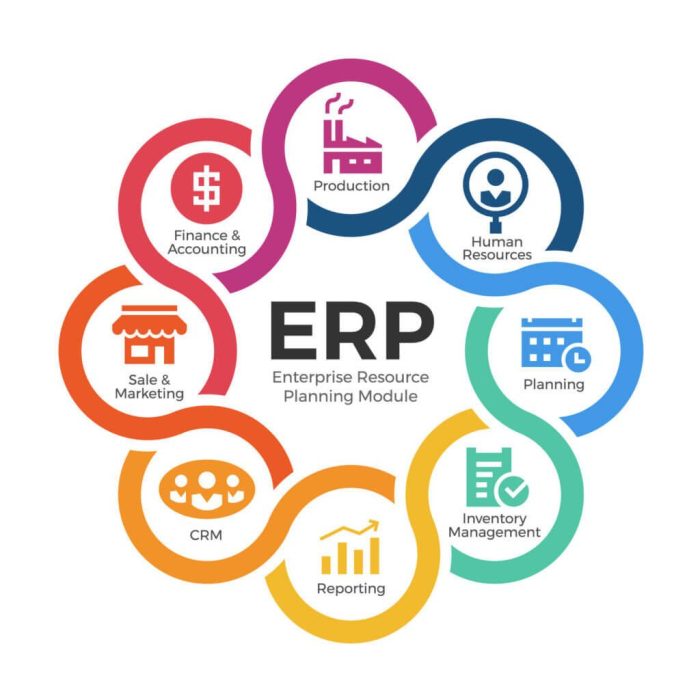
When it comes to ERP systems, there are various types available in the market to cater to different business needs and preferences. Let’s explore the key differences between cloud-based ERP systems and on-premise ERP systems, as well as the unique features of industry-specific ERP solutions.
Cloud-Based ERP Systems vs. On-Premise ERP Systems
Cloud-based ERP systems, also known as Software as a Service (SaaS) solutions, are hosted on the cloud by a third-party provider and accessed through the internet. On the other hand, on-premise ERP systems are installed locally on a company’s own servers and hardware.
- Cloud-based ERP systems offer greater flexibility and scalability, as they can be accessed from anywhere with an internet connection.
- On-premise ERP systems provide more control over data security and customization options, but require higher initial investments and ongoing maintenance.
- Cloud-based ERP systems typically have subscription-based pricing models, while on-premise ERP systems involve upfront licensing fees.
Industry-Specific ERP Solutions
Industry-specific ERP solutions are tailored to meet the unique needs and requirements of specific sectors, such as manufacturing, retail, healthcare, or finance. These ERP systems come with pre-configured modules and features that are designed to address industry-specific challenges and regulations.
For example, a manufacturing ERP system may include modules for production planning, inventory management, and supply chain optimization, to streamline operations and enhance efficiency.
Implementation of ERP Systems
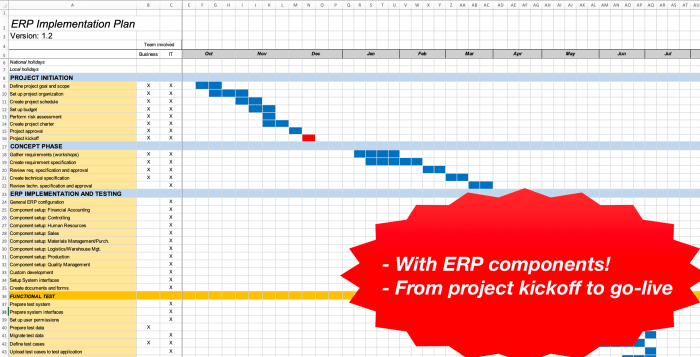
Implementing an ERP system in an organization involves several crucial steps to ensure a successful integration of the system into the existing operations. It is important to carefully plan and execute each phase of the implementation process to avoid any disruptions to the business.
Steps Involved in Implementing an ERP System
- 1. Planning: Define the objectives, scope, and timeline of the ERP implementation.
- 2. Selection: Choose the right ERP system that aligns with the organization’s needs and goals.
- 3. Design: Customize the ERP system to fit the specific requirements of the organization.
- 4. Development: Build and configure the ERP system according to the design specifications.
- 5. Testing: Conduct thorough testing to identify and resolve any issues or bugs.
- 6. Training: Provide training to employees on how to use the ERP system effectively.
- 7. Go-live: Transition to the new ERP system and monitor its performance closely.
- 8. Evaluation: Continuously evaluate the ERP system and make improvements as needed.
Common Challenges and Solutions in ERP System Implementation
- 1. Resistance to Change: Employees may resist adopting the new system. Solution: Provide extensive training and communicate the benefits of the ERP system.
- 2. Data Migration Issues: Transferring data from legacy systems can be complex. Solution: Conduct thorough data cleansing and validation processes.
- 3. Budget Overruns: ERP implementations can exceed the initial budget. Solution: Create a detailed budget plan and closely monitor expenses throughout the implementation process.
Examples of Successful ERP System Implementation Strategies
One successful ERP system implementation strategy is used by a global manufacturing company that phased the implementation based on different departments. This approach allowed for smoother integration and reduced disruptions to daily operations.
ERP Planning Best Practices
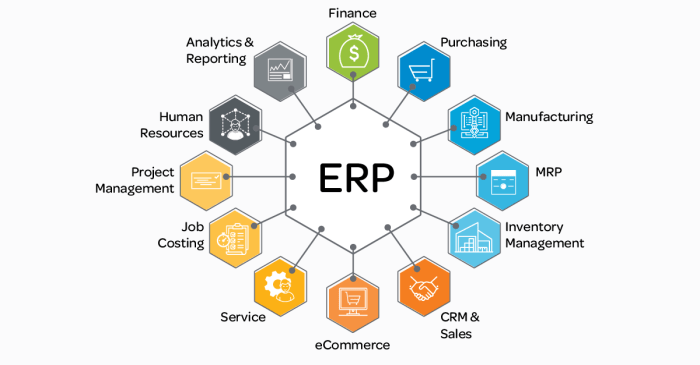
Effective ERP planning and implementation require adhering to key best practices to ensure success. It is crucial to consider various factors such as data migration, integration, and customization to meet specific business needs.
Importance of Data Migration and Integration
One of the critical aspects of ERP planning is data migration and integration. It involves transferring data from legacy systems to the new ERP system seamlessly. This process ensures that all essential business data is accurately transferred and integrated into the new system, allowing for smooth operations and decision-making.
Customizing an ERP System for Specific Business Needs
Customizing an ERP system to meet specific business needs is essential for maximizing its benefits. By tailoring the system to align with the unique requirements of the organization, businesses can improve efficiency, productivity, and overall performance. Customization allows for better integration of processes, workflows, and reporting mechanisms, leading to a more streamlined operation.
ERP Planning Trends
In today’s rapidly evolving business landscape, ERP planning is constantly influenced by emerging trends that shape the way organizations operate and manage their resources. Let’s delve into some of the key trends impacting ERP planning.
AI and Machine Learning Integration
AI and machine learning are revolutionizing ERP systems by enabling automation, predictive analytics, and intelligent decision-making processes. These technologies are increasingly being integrated into ERP solutions to streamline operations, enhance data accuracy, and drive innovation in business processes.
Mobile ERP Applications
The rise of mobile ERP applications has transformed the way businesses interact with their ERP systems. With the increasing need for remote work and real-time access to data, mobile ERP apps have become essential tools for improving productivity and efficiency.
Employees can now access critical information, approve workflows, and collaborate on projects anytime, anywhere, leading to enhanced business agility and responsiveness.
Modular ERP Systems
Organizations are shifting towards modular ERP systems that offer greater scalability and flexibility compared to traditional monolithic ERP solutions. Modular systems allow businesses to customize their ERP functionalities based on specific needs, integrate new applications seamlessly, and adapt to changing market conditions more effectively.
This trend reflects a growing demand for agile ERP solutions that can evolve alongside the business requirements.
Last Point

As we wrap up our discussion on ERP planning, it’s evident that effective planning and implementation are essential for driving business success in today’s competitive landscape. By adhering to best practices, staying updated on trends, and overcoming implementation challenges, organizations can harness the power of ERP systems to optimize their processes and achieve sustainable growth.
FAQ Compilation
What are the primary objectives of ERP planning?
The primary objectives of ERP planning in an organization are to streamline business processes, improve data visibility, enhance decision-making, and increase operational efficiency.
What are some common challenges faced during ERP system implementation?
Common challenges during ERP system implementation include resistance to change, data migration issues, lack of user training, and integration complexities.
How can an organization customize an ERP system to meet specific business needs?
Organizations can customize an ERP system by identifying unique requirements, working closely with vendors for tailored solutions, and conducting thorough testing to ensure seamless integration.