
Embark on a journey into the realm of enterprise planning systems, where strategies and technologies converge to drive organizational growth and efficiency. This article aims to shed light on the intricate world of planning systems, unveiling their significance and impact in today’s dynamic business landscape.
Delve deeper into the nuances of enterprise planning systems to uncover how they shape the decision-making processes and operational frameworks of modern enterprises.
Definition and Overview
An enterprise planning system is a software solution that helps organizations manage and optimize their business processes, resources, and activities. It provides a centralized platform for planning, budgeting, forecasting, and performance monitoring to improve overall efficiency and decision-making.
Purpose and Benefits
An enterprise planning system serves as a strategic tool for companies to align their goals, resources, and actions. By integrating various functions such as finance, operations, and human resources, it enables better coordination and communication across departments. The key benefits of using an enterprise planning system include improved accuracy in financial forecasting, enhanced collaboration among team members, increased productivity, and better risk management.
Key Features and Components
- Financial Planning: Allows organizations to create budgets, forecast revenues, and analyze financial performance.
- Operational Planning: Helps in optimizing production schedules, inventory levels, and supply chain management.
- Strategic Planning: Facilitates long-term goal setting, scenario planning, and performance tracking against strategic objectives.
- Collaborative Tools: Provides a platform for team members to work together on planning, share insights, and make real-time adjustments.
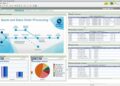
- Reporting and Analytics: Generates detailed reports, dashboards, and key performance indicators (KPIs) for monitoring and evaluating performance.
Types of Enterprise Planning Systems

Enterprise Planning Systems play a crucial role in helping businesses streamline their operations, improve efficiency, and enhance decision-making processes. There are various types of enterprise planning systems, each catering to different aspects of business management.
Enterprise Resource Planning (ERP)
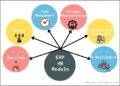
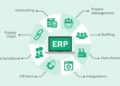
ERP systems integrate various business processes and functions such as accounting, human resources, inventory management, and customer relationship management into a centralized system. These systems provide a comprehensive view of the entire organization and help in standardizing processes.
- Examples of industries: Manufacturing, Retail, Healthcare
- Key features: Financial management, Supply chain management, Business intelligence
Customer Relationship Management (CRM)
CRM systems focus on managing interactions with current and potential customers. They help businesses track customer data, improve customer service, and enhance marketing strategies.
- Examples of industries: E-commerce, Telecommunications, Banking
- Key features: Sales automation, Customer service, Marketing automation
Supply Chain Management (SCM)
SCM systems optimize the flow of goods and services from the point of origin to the point of consumption. They help in managing inventory, logistics, and distribution efficiently.
- Examples of industries: Logistics, Manufacturing, Retail
- Key features: Inventory management, Supplier relationship management, Demand forecasting
Implementation and Integration
Implementing an enterprise planning system within an organization is a crucial process that requires careful planning and execution. It involves the following steps:
Implementation Process
- Assessment and Planning: Evaluate the organization’s needs, set goals, and create a detailed plan for implementation.
- Selection of System: Choose the right enterprise planning system that aligns with the organization’s objectives and requirements.
- Configuration and Customization: Tailor the system to fit the organization’s specific processes and workflows.
- Data Migration: Transfer existing data to the new system while ensuring accuracy and consistency.
- Testing: Conduct thorough testing to identify and resolve any issues before full deployment.
- Training: Provide comprehensive training to employees to ensure they can effectively use the system.
- Go-Live: Launch the system across the organization and monitor its performance.
Integration Challenges
- Compatibility: Ensuring seamless integration with existing systems such as CRM, ERP, and BI tools.
- Data Consistency: Maintaining data integrity across all integrated systems to avoid discrepancies.
- Security: Implementing robust security measures to protect sensitive data during integration.
- User Adoption: Overcoming resistance to change and ensuring employees are onboard with the new system.
Importance of Training and Change Management
- Training: Proper training is essential to empower employees with the knowledge and skills needed to effectively use the enterprise planning system.
- Change Management: Managing the organizational change that comes with implementing a new system helps mitigate resistance and ensures a smooth transition.
- Continuous Support: Providing ongoing support and resources for employees post-implementation to address any challenges or issues that may arise.
Data Management and Analysis

Data management and analysis play a crucial role in the functioning of enterprise planning systems. These systems are designed to handle vast amounts of data efficiently and provide valuable insights through analytics to improve decision-making within an organization.
Role of Data Analytics
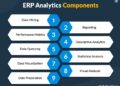
Data analytics involves the process of analyzing raw data to uncover patterns, trends, and insights that can be used to make informed decisions. In the context of enterprise planning systems, data analytics helps organizations in forecasting, budgeting, and strategic planning.
By analyzing historical data and real-time information, businesses can identify areas for improvement, optimize processes, and drive growth.
- Identifying cost-saving opportunities through expense analysis.
- Forecasting sales trends to make informed decisions about inventory management.
- Monitoring key performance indicators (KPIs) to track progress towards organizational goals.
Key Performance Indicators (KPIs)
Key performance indicators are essential metrics that organizations track to measure their performance and progress towards strategic objectives. Enterprise planning systems enable businesses to monitor and analyze various KPIs to assess their operational efficiency and effectiveness.
Examples of KPIs that can be tracked using an enterprise planning system include revenue growth, profit margins, customer acquisition costs, inventory turnover, and return on investment.
Customization and Scalability
Customization and scalability are crucial aspects of an enterprise planning system that can greatly impact the efficiency and effectiveness of an organization’s operations.
Importance of Customization
Customization options in an enterprise planning system allow organizations to tailor the software to meet their specific needs and requirements. This ensures that the system aligns with the unique processes and workflows of the organization, leading to increased productivity and better decision-making.
By customizing the system, users can focus on relevant data and features that are essential for their day-to-day tasks, ultimately improving overall performance.
Role of Scalability
Scalability is equally important as it enables the enterprise planning system to adapt to the changing needs and growth of the organization. A scalable system can easily accommodate an increase in data volume, users, or complexity without compromising performance. This flexibility ensures that the system can evolve with the organization, preventing the need for frequent system upgrades or replacements.
Best Practices for Customizing and Scaling
- Collaborate with stakeholders: Involve key stakeholders from different departments in the customization process to gather diverse insights and ensure the system meets everyone’s needs.
- Start with core functionalities: Begin by customizing and scaling the core functionalities of the system before moving on to more advanced features to maintain system stability.
- Regularly review and update: Continuously review the customization and scalability of the system to ensure it remains aligned with the organization’s goals and objectives.
- Consider future growth: Anticipate future needs and growth of the organization when customizing and scaling the system to prevent limitations down the line.
- Training and support: Provide adequate training and support to users to ensure they fully understand the customized features and can effectively utilize the scalable aspects of the system.
Security and Compliance
Ensuring data security and compliance with regulations are critical aspects of enterprise planning systems. This involves implementing robust security measures and adhering to regulatory requirements to protect sensitive information.
Security Measures in Enterprise Planning Systems
- Encryption: Utilizing encryption techniques to secure data both at rest and in transit, ensuring that only authorized users can access the information.
- Access Controls: Implementing strict access controls to limit who can view, edit, or delete sensitive data, reducing the risk of unauthorized access.
- Authentication: Employing multi-factor authentication methods to verify the identity of users, adding an extra layer of security to the system.
Regulatory Compliance Requirements
- GDPR: Organizations need to comply with the General Data Protection Regulation (GDPR) when handling personal data of individuals in the European Union, ensuring data protection and privacy.
- HIPAA: Healthcare organizations must adhere to the Health Insurance Portability and Accountability Act (HIPAA) to safeguard patient health information and maintain confidentiality.
- SOX: Companies subject to the Sarbanes-Oxley Act (SOX) must follow regulations for financial reporting and internal controls, preventing fraud and ensuring accuracy.
Role of Encryption and Access Controls
-
Encryption
plays a crucial role in safeguarding data by converting it into a secure format that can only be deciphered with the right encryption key.
-
Access controls
help organizations manage user permissions effectively, ensuring that only authorized individuals can access specific data based on their roles and responsibilities.
Final Review
In conclusion, the realm of enterprise planning systems offers a myriad of opportunities for organizations to streamline operations, enhance data-driven decision-making, and achieve sustainable growth. By harnessing the power of these systems, businesses can navigate complexities with ease and chart a course towards long-term success.
FAQ Resource
How can an enterprise planning system benefit my organization?
An enterprise planning system can streamline operations, improve decision-making, and enhance overall efficiency within your organization.
What industries commonly use specific types of enterprise planning systems?
Manufacturing industries often utilize ERP systems, while customer-centric businesses rely on CRM systems for managing relationships effectively.
What role does data analytics play in enterprise planning systems?
Data analytics in enterprise planning systems helps in identifying trends, forecasting outcomes, and optimizing processes for better decision-making.