
Embark on a journey into the world of Enterprise ERP, where powerful software solutions revolutionize how large organizations operate and thrive in today’s competitive landscape. From streamlining processes to enhancing productivity, Enterprise ERP systems play a pivotal role in shaping modern business strategies.
As we delve deeper, we will uncover the key features, benefits, challenges, and best practices associated with Enterprise ERP, providing valuable insights for businesses looking to optimize their operations.
Introduction to Enterprise ERP
Enterprise Resource Planning (ERP) software is a comprehensive suite of integrated applications that help businesses manage and automate various back-office functions related to technology, services, and human resources. These systems are designed to streamline processes, improve efficiency, and provide real-time insights for decision-making.Large organizations rely on Enterprise ERP systems to centralize data, standardize processes, and increase collaboration across departments.
With features such as financial management, supply chain management, human resources, and customer relationship management, ERP systems play a crucial role in enhancing productivity and driving growth in complex business environments.
Popular Enterprise ERP Systems
- SAP ERP: SAP is a global leader in ERP software, offering solutions tailored to various industries and business sizes.
- Oracle ERP Cloud: Oracle provides a cloud-based ERP system that integrates financials, procurement, and project management.
- Microsoft Dynamics 365: Microsoft’s ERP solution combines CRM and ERP capabilities for a comprehensive business management tool.
- Infor ERP: Infor offers industry-specific ERP solutions with advanced features for manufacturing, distribution, and retail sectors.
Key Features of Enterprise ERP
Enterprise ERP systems come with a variety of key features that are essential for managing complex business operations efficiently. These features include:
Integration of Different Business Functions
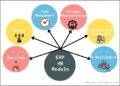
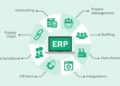
Enterprise ERP solutions integrate various business functions such as finance, HR, sales, and inventory management into a single system. This integration allows for seamless communication and data sharing across different departments, leading to improved collaboration and decision-making.
Real-Time Data Analytics
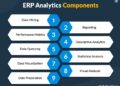
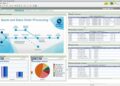
Enterprise ERP systems provide real-time data analytics capabilities, allowing businesses to access up-to-date information on key performance indicators. This enables better forecasting, planning, and decision-making based on accurate and timely insights.
Scalability
Enterprise ERP systems are designed to be scalable, meaning they can accommodate the needs of businesses of different sizes. Whether a small startup or a large enterprise, the ERP system can be customized and expanded to meet the growing requirements of the organization.
Customization Options
Customization options play a crucial role in Enterprise ERP software, allowing businesses to tailor the system to their specific needs and processes. From custom workflows to personalized reports, these options enable businesses to optimize their ERP system according to their unique requirements.
Mobile Access
Many Enterprise ERP solutions offer mobile access, allowing employees to access important data and functionalities on-the-go. This feature enhances flexibility and productivity by enabling remote work and real-time updates from anywhere.
Security and Compliance
Enterprise ERP systems prioritize security and compliance with industry regulations. Features such as role-based access control, data encryption, and audit trails ensure that sensitive information is protected and that the organization meets legal requirements.
Vendor Support and Updates
Enterprise ERP vendors provide ongoing support and regular updates to ensure that the system remains up-to-date and efficient. This support includes troubleshooting, training, and assistance with implementing new features or modules.Overall, the key features of Enterprise ERP systems are designed to streamline business processes, improve efficiency, and support growth and innovation in a rapidly changing business environment.
Implementation of Enterprise ERP
Implementing an Enterprise ERP system is a complex process that requires careful planning and execution. Below are the steps involved in implementing an Enterprise ERP system, common challenges faced during the implementation process, and tips for successful deployment of Enterprise ERP software.
Steps Involved in Implementing an Enterprise ERP System
- Planning and Preparation: Define objectives, select a suitable ERP system, and establish a project team.
- Gap Analysis: Identify gaps between current processes and desired outcomes to tailor the ERP system to business needs.
- Customization and Configuration: Configure the ERP system to meet specific business requirements through customization.
- Data Migration: Transfer data from existing systems to the new ERP system while ensuring accuracy and integrity.
- Testing: Conduct thorough testing to identify and resolve any issues before the system goes live.
- Training: Provide training to employees to ensure they can effectively use the new ERP system.
- Go-Live and Support: Launch the ERP system and provide ongoing support to address any issues that arise.
Common Challenges Faced During the Implementation Process
- Resistance to Change: Employees may resist adopting new processes and technologies.
- Data Integration Issues: Challenges may arise when integrating data from various sources into the ERP system.
- Scope Creep: Scope changes and additions can lead to delays and increased costs.
- Lack of Executive Support: Without strong leadership buy-in, the implementation process may face obstacles.
Tips for Successful Deployment of Enterprise ERP Software
- Engage Stakeholders: Involve key stakeholders throughout the implementation process to ensure alignment with business goals.
- Set Realistic Expectations: Establish clear goals and timelines to manage expectations and track progress.
- Provide Adequate Training: Invest in comprehensive training programs to support user adoption and proficiency.
- Monitor Progress: Regularly assess milestones and key performance indicators to track implementation progress.
- Continuous Improvement: Implement processes for ongoing system optimization and enhancement post-implementation.
Benefits of Enterprise ERP
Enterprise Resource Planning (ERP) systems offer numerous advantages to businesses, helping them streamline operations and improve overall efficiency. Let’s explore some key benefits of using Enterprise ERP software:
Improved Efficiency and Productivity
- Centralized Data Management: Enterprise ERP systems provide a unified platform for managing various business processes, such as inventory, sales, finances, and HR, in one place. This centralized approach eliminates data silos and enables real-time access to critical information, leading to faster decision-making.
- Automated Workflows: By automating repetitive tasks and workflows, Enterprise ERP software reduces manual errors, speeds up processes, and frees up employees to focus on more strategic initiatives. This automation leads to increased productivity across the organization.
- Enhanced Collaboration: ERP systems facilitate better communication and collaboration among different departments within a company by providing a shared database and standardized processes. This integration fosters cross-functional teamwork and ensures that everyone is working towards common goals.
Real-world Examples of Companies Benefiting from Enterprise ERP
- Procter & Gamble: The consumer goods giant implemented an Enterprise ERP system to streamline its supply chain management, resulting in significant cost savings and improved inventory control.
- Amazon: The e-commerce giant utilizes advanced ERP solutions to manage its vast network of warehouses, optimize order fulfillment processes, and enhance customer satisfaction through timely deliveries.
- Walmart: By leveraging Enterprise ERP software, Walmart has been able to efficiently manage its extensive product range, monitor sales trends in real-time, and make data-driven decisions to stay competitive in the retail industry.
Security in Enterprise ERP
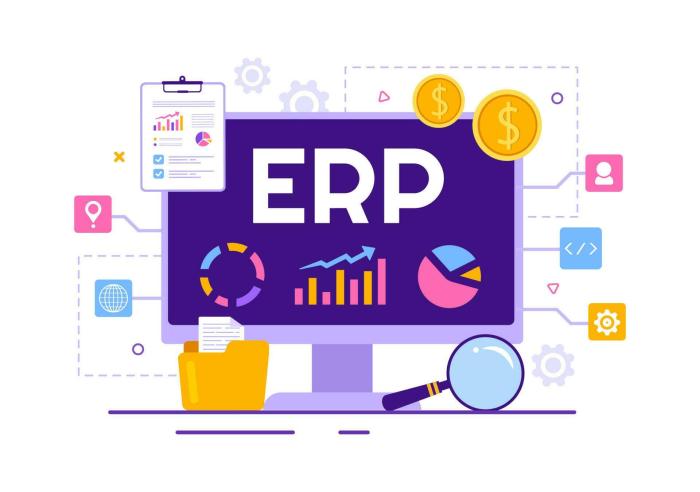
Data security is a critical aspect of Enterprise ERP systems as they store and manage sensitive business information. Ensuring the security of this data is essential to protect the organization from cyber threats and unauthorized access.
Importance of Data Security in Enterprise ERP
- Implementing robust authentication mechanisms to control access to the ERP system.
- Encrypting data both in transit and at rest to prevent unauthorized interception.
- Regularly updating security patches and conducting security audits to identify vulnerabilities.
- Establishing role-based access controls to limit users’ privileges based on their job roles.
Role of Compliance Regulations in Security Measures
Compliance regulations play a vital role in shaping security measures for Enterprise ERP systems. These regulations provide guidelines and standards that organizations must adhere to in order to protect sensitive data and ensure legal compliance.
- Adhering to regulations such as GDPR, HIPAA, or SOX to safeguard customer data and maintain data integrity.
- Conducting regular security training for employees to raise awareness about security best practices and compliance requirements.
- Implementing data encryption and secure protocols to protect data privacy and confidentiality.
- Engaging with third-party security experts to assess and enhance the security posture of the ERP system.
Integration with Other Systems
Integrating Enterprise ERP with other business systems is crucial for organizations looking to streamline their operations and improve efficiency. By connecting different platforms, data can flow seamlessly across the organization, enabling better decision-making and enhancing overall productivity.
Systems commonly integrated with Enterprise ERP
- Customer Relationship Management (CRM) software: Integrating CRM with ERP allows for a holistic view of customer interactions, improving customer service and sales processes.
- Supply Chain Management (SCM) systems: Integration with SCM systems helps in managing inventory, procurement, and logistics more effectively.
- Business Intelligence (BI) tools: Connecting ERP with BI tools enables better data analysis and reporting, leading to informed decision-making.
Challenges and benefits of seamless integration
- Challenges:
- Compatibility issues: Ensuring that different systems can communicate effectively without data loss or corruption can be challenging.
- Complexity: Integrating multiple systems can be complex and require specialized expertise.
- Data synchronization: Maintaining accurate and up-to-date data across systems can be a challenge.
- Benefits:
- Improved efficiency: Seamless integration leads to streamlined processes and reduced manual intervention.
- Enhanced visibility: Organizations gain a comprehensive view of their operations, enabling better decision-making.
- Cost savings: By eliminating redundant processes and improving data accuracy, integration can result in cost savings.
Wrap-Up
In conclusion, Enterprise ERP stands as a cornerstone for organizational success, offering a robust framework for efficiency, innovation, and growth. By embracing the potential of Enterprise ERP solutions, businesses can navigate the complexities of the modern market with confidence and agility.
FAQ
What are the common challenges faced during the implementation of Enterprise ERP systems?
Common challenges include data migration issues, resistance to change from employees, and ensuring compatibility with existing systems.
How does Enterprise ERP software enhance efficiency and productivity?
Enterprise ERP software automates repetitive tasks, provides real-time data insights, and streamlines communication across departments, leading to improved efficiency and productivity.
What are the best practices for ensuring data security within an Enterprise ERP environment?
Best practices include implementing role-based access controls, conducting regular security audits, encrypting sensitive data, and staying updated on security patches.