
Embark on a journey into the realm of composable ERP, where innovation meets efficiency in a seamless blend of technology and business strategy. Dive into the intricacies of this cutting-edge concept that is reshaping the way organizations operate in today’s dynamic landscape.
From defining composable ERP to outlining its key components and advantages, this overview sets the stage for a deep dive into the world of flexible and scalable enterprise solutions.
Overview of Composable ERP
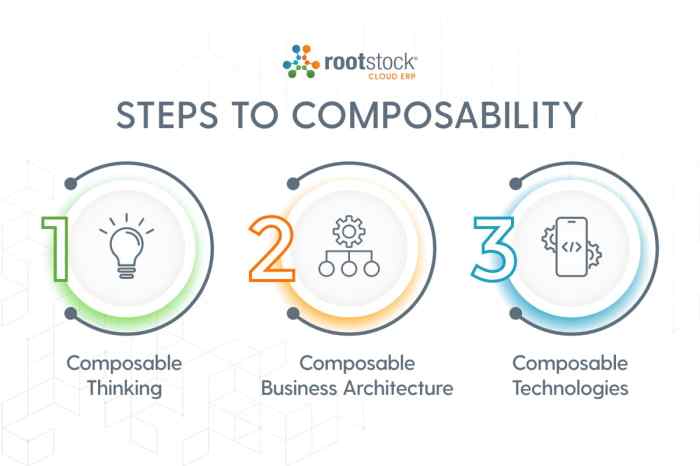
Composable ERP is a modern approach to enterprise resource planning that focuses on flexibility and modularity. Unlike traditional ERP systems that are monolithic and rigid, composable ERP allows businesses to adapt and customize their systems according to their specific needs.
Differences from Traditional ERP
Composable ERP differs from traditional ERP systems in several key ways. One significant difference is the modular nature of composable ERP, which allows businesses to mix and match different components to create a system that fits their unique requirements. This contrasts with traditional ERP systems, which often come as a one-size-fits-all package with limited customization options.
Additionally, composable ERP is designed to be more agile and scalable, enabling businesses to easily add or remove components as needed, without disrupting the entire system.
Examples of Industries Benefiting from Composable ERP
- Manufacturing: Companies in the manufacturing industry can benefit from composable ERP by integrating specialized modules for inventory management, production planning, and supply chain optimization.
- Retail: Retail businesses can use composable ERP to streamline processes such as order management, customer relationship management, and e-commerce integration, leading to improved efficiency and customer satisfaction.
- Healthcare: Healthcare organizations can leverage composable ERP to manage patient records, billing, and regulatory compliance more effectively, while also integrating specialized healthcare modules for better patient care.
Components of Composable ERP
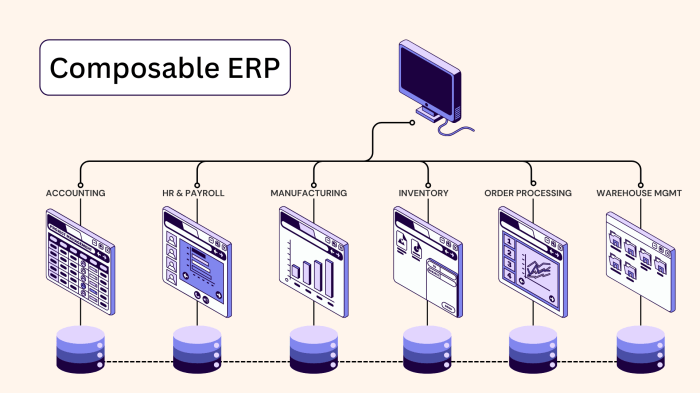
In a composable ERP system, there are several key components that work together to create a flexible and customizable solution for businesses.
Modularity in Composable ERP
Modularity is a fundamental aspect of composable ERP systems, allowing for the separation of different functions into individual components. This modular approach enables businesses to pick and choose the specific functionalities they need, making it easier to adapt and scale the system according to their requirements.
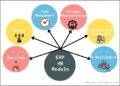
- Modules for finance, human resources, supply chain, and customer relationship management
- Ability to add or remove modules as needed
- Customization options for each module to fit specific business processes
Modularity in composable ERP ensures that businesses can create a tailored solution that meets their unique needs without the constraints of a one-size-fits-all system.
Role of APIs in Composable ERP Architecture
APIs (Application Programming Interfaces) play a crucial role in composable ERP by facilitating communication and data exchange between different modules or external systems. APIs allow for seamless integration of third-party applications, enabling businesses to extend the functionality of their ERP system and access additional services.
- Standardized APIs for easy connectivity
- Real-time data exchange between modules
- Ability to build custom integrations with other software solutions
APIs serve as the glue that holds together the various components of a composable ERP system, enabling interoperability and flexibility in software architecture.
Advantages of Composable ERP
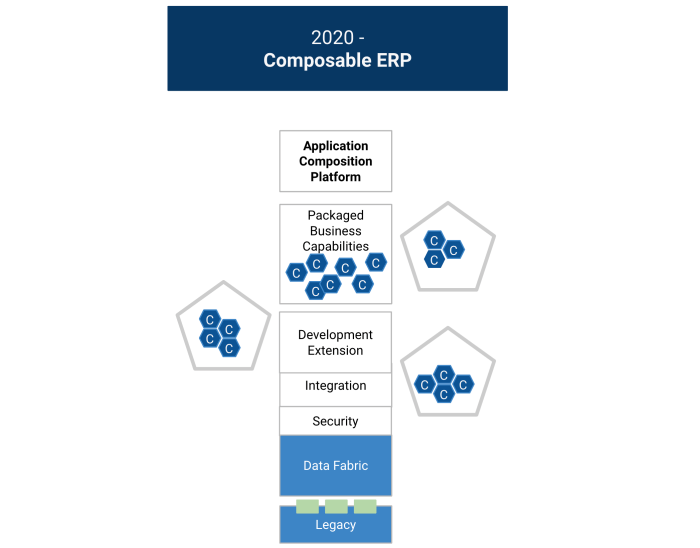
Composable ERP offers several advantages to businesses looking for flexibility and scalability in their systems. It provides a customizable solution that can adapt to evolving business needs, enhancing overall efficiency and productivity.
Flexibility and Scalability
Composable ERP systems are designed to be flexible and scalable, allowing businesses to easily add or remove components as needed. This means that companies can tailor their ERP system to meet specific requirements without being limited by a one-size-fits-all solution.
Enhanced Customization
One of the key advantages of composable ERP is the ability to customize the system to fit the unique needs of a business. By selecting and integrating only the necessary components, companies can create a tailored solution that aligns with their processes and workflows, ultimately improving overall operations.
Adaptability to Evolving Business Needs
Composable ERP systems are designed to adapt to changing business requirements. As businesses grow and evolve, the flexibility of composable ERP allows for seamless adjustments to be made to the system, ensuring that it continues to meet the organization’s needs over time.
Implementation of Composable ERP
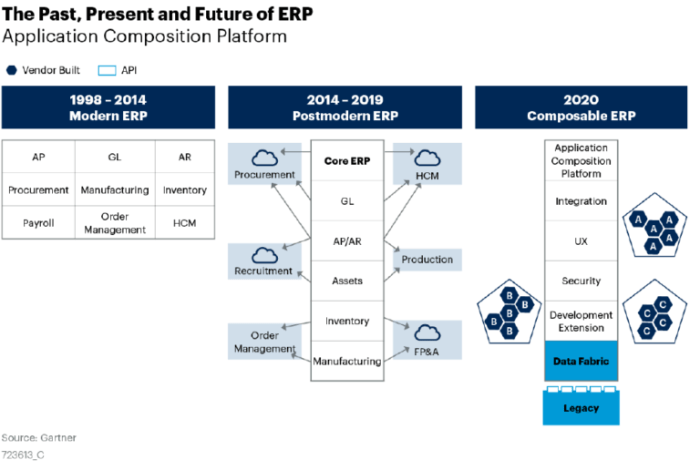
Implementing a composable ERP system involves several crucial steps to ensure a successful deployment. From planning and integration to testing and optimization, each phase plays a vital role in the overall implementation process.
Steps in Implementing Composable ERP
- 1. Planning: Define clear objectives, scope, and timeline for the implementation project.
- 2. Integration: Integrate the composable ERP solution with existing systems and data sources.
- 3. Customization: Tailor the ERP components to meet the specific needs and requirements of the organization.
- 4. Testing: Conduct thorough testing to ensure the system functions correctly and meets performance expectations.
- 5. Training: Provide training and support to users to facilitate a smooth transition to the new system.
- 6. Optimization: Continuously monitor and optimize the composable ERP system to enhance efficiency and effectiveness.
Integrating Existing Systems with Composable ERP
Integrating existing systems with a composable ERP solution is essential for maximizing the benefits of the new system. By connecting legacy systems, databases, and applications, organizations can streamline processes, improve data visibility, and enhance decision-making capabilities.
Best Practices for Successful Composable ERP Deployment
- 1. Engage stakeholders: Involve key stakeholders throughout the implementation process to ensure alignment with organizational goals.
- 2. Focus on change management: Prepare employees for the transition to the new system through training, communication, and support.
- 3. Prioritize data security: Implement robust security measures to protect sensitive data and ensure compliance with regulations.
- 4. Monitor performance: Regularly monitor system performance and user feedback to identify areas for improvement and optimization.
- 5. Foster a culture of innovation: Encourage innovation and continuous improvement to leverage the full potential of the composable ERP system.
Wrap-Up
In conclusion, composable ERP offers a pathway to adaptability and growth, empowering businesses to thrive in an ever-changing environment. With its modular approach and customizable features, composable ERP paves the way for a new era of enterprise resource planning.
FAQs
What is the concept of composable ERP?
Composable ERP refers to a modular approach to enterprise resource planning that allows businesses to adapt and customize their systems according to their unique needs.
How does composable ERP differ from traditional ERP systems?
Composable ERP focuses on modularity and flexibility, unlike traditional ERP systems that are often rigid and less adaptable to changing business requirements.
Which industries can benefit from composable ERP?
Industries such as technology, healthcare, and manufacturing can benefit from composable ERP due to its ability to tailor solutions to specific industry demands.