
Embark on a journey into the realm of ERP MRP systems, where the intricate dance between technology and business processes creates a harmonious symphony of efficiency and productivity.
Discover the inner workings of these systems and how they revolutionize the way industries operate in the modern landscape.
Overview of ERP MRP Systems
Enterprise Resource Planning (ERP) and Material Requirements Planning (MRP) systems are essential tools for businesses to manage their resources efficiently. While both systems focus on optimizing processes, there are key differences between them.
Difference between ERP and MRP Systems
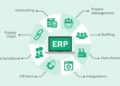
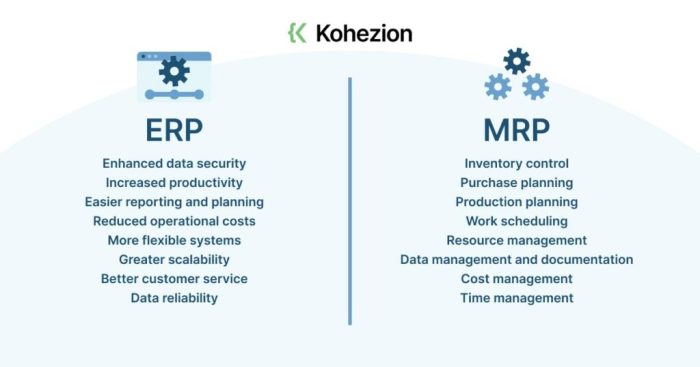
ERP systems are comprehensive software solutions that integrate various business functions such as human resources, finance, sales, and inventory management. They provide a holistic view of the entire organization’s operations. On the other hand, MRP systems specifically focus on managing production processes by calculating material requirements based on demand forecasts, inventory levels, and lead times.
Examples of Industries Using ERP MRP Systems
- Manufacturing: Companies in the manufacturing industry heavily rely on ERP MRP systems to streamline production processes, manage inventory levels, and ensure timely delivery of products to customers.
- Retail: Retail businesses use ERP MRP systems to track inventory levels, optimize supply chain management, and enhance customer service by ensuring product availability.
- Healthcare: Healthcare organizations utilize ERP MRP systems to manage patient records, scheduling, inventory of medical supplies, and ensure compliance with regulatory requirements.
Main Features and Functions of ERP MRP Systems
- Integration: ERP MRP systems integrate various departments and functions within an organization, allowing for seamless communication and data sharing.
- Forecasting: These systems use historical data and demand forecasts to predict future requirements for materials, resources, and inventory.
- Inventory Management: ERP MRP systems help businesses optimize their inventory levels, reduce stockouts, and minimize carrying costs.
- Production Planning: MRP systems assist in creating production schedules, determining material requirements, and ensuring efficient use of resources.
- Resource Allocation: ERP MRP systems allocate resources effectively, including labor, machinery, and materials, to meet production demands and deadlines.
Implementation of ERP MRP Systems
Implementing ERP MRP systems is a complex process that requires careful planning and execution to ensure successful integration within an organization.
Steps involved in implementing ERP MRP systems:
- Conduct a thorough assessment of current processes and systems to identify areas for improvement.
- Define clear objectives and goals for the ERP MRP system implementation to align with organizational strategy.
- Select a suitable ERP MRP system vendor based on specific requirements and budget constraints.
- Customize the ERP MRP system to meet the unique needs of the organization while ensuring compatibility with existing systems.
- Train employees on how to use the new system effectively to maximize its potential benefits.
- Implement the ERP MRP system in phases to minimize disruption to daily operations and allow for testing and adjustments.
- Monitor and evaluate the system regularly to ensure it is meeting the intended goals and making necessary improvements.
Challenges organizations face during ERP MRP system implementation:
- Resistance to change from employees accustomed to existing processes.
- Data migration issues when transferring information from old systems to the new ERP MRP system.
- Budget and time constraints that may impact the implementation timeline and quality.
- Lack of proper training leading to underutilization of the system’s capabilities.
- Integration challenges with other systems and software within the organization.
Tips for a successful ERP MRP system implementation:
- Involve key stakeholders from different departments in the planning and decision-making process.
- Communicate clearly with employees about the reasons for implementing the new system and the benefits it will bring.
- Allocate sufficient resources, both in terms of budget and time, to ensure a smooth implementation process.
- Provide comprehensive training to employees at all levels to ensure they are comfortable using the new system.
- Regularly review and adjust the implementation plan as needed to address any issues or challenges that arise.
Benefits of ERP MRP Systems
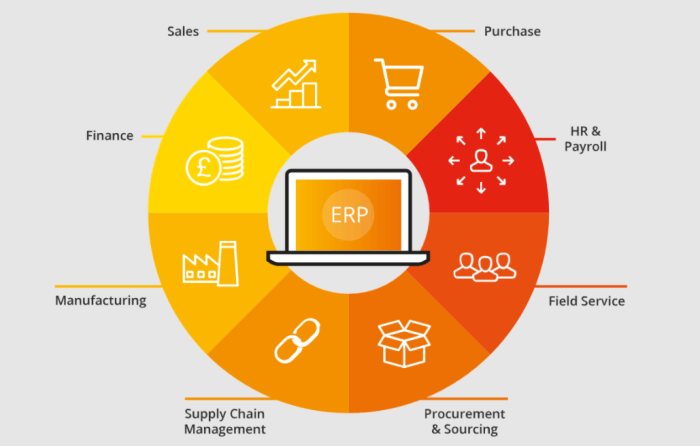
ERP MRP systems offer numerous advantages to businesses looking to streamline their operations, increase efficiency, and improve decision-making processes. These benefits can have a significant impact on a company’s bottom line and overall performance.
Improved Efficiency and Productivity
ERP MRP systems help automate tedious and time-consuming tasks, such as inventory management, order processing, and production planning. By centralizing data and processes, employees can work more efficiently, reducing manual errors and improving overall productivity.
Enhanced Decision-Making
With real-time data and insights provided by ERP MRP systems, management can make informed decisions quickly. This allows for better forecasting, resource allocation, and strategic planning, leading to improved performance and profitability.
Cost Savings
ERP MRP systems help optimize inventory levels, reduce lead times, and minimize excess waste, leading to cost savings for the company. By streamlining processes and eliminating inefficiencies, businesses can operate more effectively and reduce operational costs.
Improved Customer Satisfaction
By having access to accurate and up-to-date information, businesses can better meet customer demands, provide faster response times, and ensure on-time delivery of products. This leads to increased customer satisfaction and loyalty, ultimately resulting in repeat business and positive word-of-mouth referrals.
Competitive Advantage
Companies that implement ERP MRP systems gain a competitive edge in the market by being able to respond quickly to changing market conditions, adapt to customer needs, and innovate their products and services. This agility and flexibility give businesses an advantage over competitors still relying on traditional systems.
Real-Life Examples
One notable example of a company that has benefited from implementing an ERP MRP system is Nike. By utilizing an integrated system to manage their supply chain, production processes, and distribution channels, Nike has been able to improve efficiency, reduce costs, and deliver products to customers faster than ever before.
This has helped them maintain their position as a leader in the sportswear industry.Another example is Toyota, which implemented an ERP MRP system to streamline their manufacturing processes, improve inventory management, and enhance customer service. This has allowed Toyota to reduce waste, increase production efficiency, and respond quickly to changes in demand, giving them a competitive advantage in the automotive industry.
Customization and Integration of ERP MRP Systems
Customizing and integrating ERP MRP systems are crucial steps to ensure that the software meets the specific needs of a business and functions seamlessly with other applications.
Importance of Customizing ERP MRP Systems
Customization of ERP MRP systems allows businesses to tailor the software to their unique processes, workflows, and requirements. This ensures that the system aligns perfectly with the business operations, leading to increased efficiency and productivity.
Integration of ERP MRP Systems with Other Software Applications
Integrating ERP MRP systems with other software applications such as CRM, inventory management, and accounting software streamlines data flow and communication between different departments. This integration helps in avoiding data silos and enables real-time access to information across the organization.
Best Practices for Customizing and Integrating ERP MRP Systems
- Conduct a thorough analysis of business processes and requirements before customizing the ERP MRP system.
- Collaborate with the software provider to understand the customization options available and choose the ones that best fit the business needs.
- Ensure proper training for employees to effectively use the customized ERP MRP system.
- Regularly monitor and evaluate the performance of the system to identify any areas that require further customization or integration.
Conclusive Thoughts
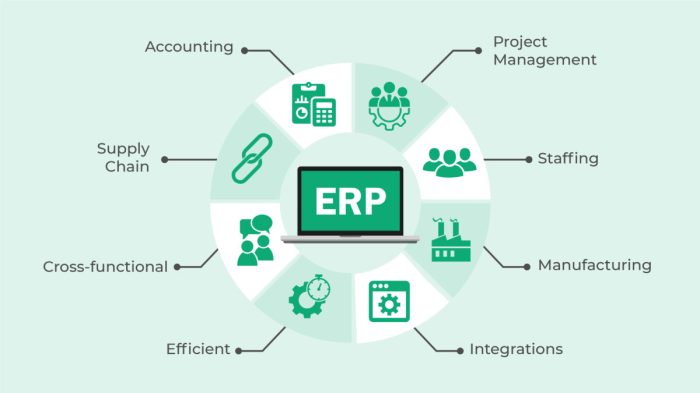
In conclusion, ERP MRP systems represent a pivotal shift in how organizations manage their resources and streamline operations. As technology continues to advance, embracing these systems becomes more crucial than ever for sustainable growth and success.
FAQ Summary
What is the difference between ERP and MRP systems?
ERP (Enterprise Resource Planning) systems focus on integrating various business processes, while MRP (Material Requirements Planning) systems primarily deal with inventory and production planning.
Which industries commonly use ERP MRP systems?
Industries such as manufacturing, retail, healthcare, and automotive are known to extensively utilize ERP MRP systems for efficient resource management.
Why is customization important for ERP MRP systems?
Customization allows businesses to tailor the system to their specific needs, ensuring optimal performance and alignment with organizational goals.