
Embark on a journey through the world of ERP for the construction industry, where technology meets infrastructure to create seamless operations and enhanced efficiency.
Explore the different modules, implementation strategies, and challenges faced by construction companies in adopting ERP systems.
Overview of ERP in the construction industry
Enterprise Resource Planning (ERP) systems play a crucial role in the construction industry by integrating various business processes and functions into a unified system. This allows construction companies to streamline operations, improve communication, and increase overall efficiency.
Main Features and Benefits of ERP in Construction
- Centralized Data Management: ERP systems provide a centralized database that allows for real-time access to critical project information, such as budgets, schedules, and resources.
- Improved Project Planning: With ERP software, construction companies can create detailed project plans, allocate resources effectively, and track progress in a more organized manner.
- Cost Control: ERP systems help in monitoring project costs, identifying cost overruns, and implementing cost-saving measures to ensure projects stay within budget.
- Enhanced Communication: By facilitating seamless communication between project teams, vendors, and stakeholders, ERP software helps in avoiding misunderstandings and delays.
- Resource Optimization: ERP systems enable construction companies to optimize resource allocation, avoid bottlenecks, and ensure that projects are completed on time and within specifications.
Specific ERP modules tailored for construction
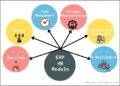
When it comes to the construction industry, specific ERP modules play a crucial role in streamlining processes, improving efficiency, and addressing common challenges faced by construction companies. Let’s explore some of the key ERP modules that are tailored for the construction sector:
Project Management
- Project management modules in ERP systems help construction companies plan, execute, and monitor projects effectively.
- Features may include project scheduling, resource allocation, budget tracking, and collaboration tools for project teams.
- By centralizing project data and providing real-time updates, this module helps in managing multiple construction projects simultaneously and ensuring they stay on track.
Procurement
- The procurement module in ERP systems automates the procurement process, from requesting quotes to issuing purchase orders.
- It helps construction companies streamline supplier management, track inventory levels, and ensure timely delivery of materials.
- By integrating with other modules like project management and accounting, procurement modules help in optimizing the supply chain and reducing costs.
Accounting
- Accounting modules in ERP systems provide comprehensive financial management tools tailored for the construction industry.
- Features may include job costing, revenue recognition, payroll management, and compliance with industry-specific regulations.
- By automating financial processes and generating accurate reports, this module assists construction companies in making informed decisions and maintaining financial health.
Implementation of ERP systems in construction firms
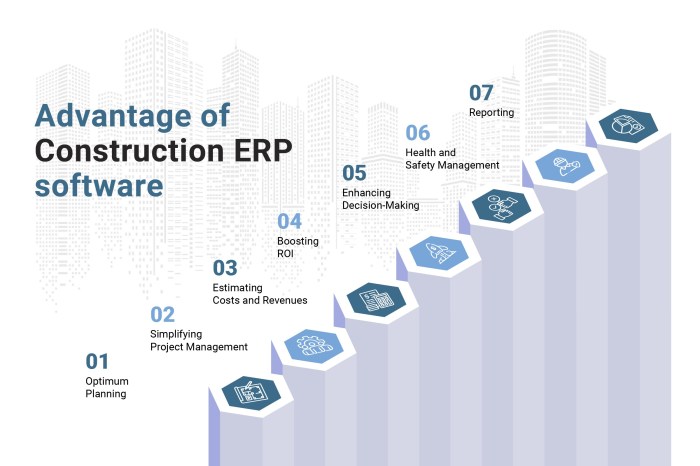
Implementing an ERP system in a construction company is a complex process that requires careful planning, coordination, and execution. It involves integrating various modules tailored to the construction industry to streamline operations and improve efficiency.
Key Steps in ERP Implementation
- Planning: Define objectives, select the right ERP system, and establish a clear timeline and budget.
- Deployment: Install the ERP software, configure settings, and customize modules to fit the company’s specific needs.
- Integration: Ensure seamless integration with existing systems, data migration, and training for employees.
It is crucial to involve key stakeholders, such as project managers, IT staff, and end-users, throughout the implementation process.
Best Practices for Successful ERP Implementation
- Engage employees: Provide training and support to ensure adoption and utilization of the ERP system.
- Set realistic goals: Define measurable objectives and track progress to ensure the ERP system is delivering the expected benefits.
- Regular evaluation: Conduct regular reviews and updates to optimize the ERP system’s performance and address any issues promptly.
Challenges and solutions in adopting ERP for construction
ERP adoption in the construction industry can pose several challenges that need to be addressed for a successful implementation. Let’s explore some common challenges and propose solutions to ensure a smooth transition to ERP.
Challenge: Resistance to change
One of the major challenges faced by construction companies when adopting ERP systems is resistance to change from employees. Many workers may be accustomed to traditional methods and resistant to new technologies.
- Provide comprehensive training programs to educate employees on the benefits of ERP and how it will improve their workflow.
- Involve employees in the decision-making process and address their concerns to make them feel valued and included.
- Offer continuous support and guidance during the transition period to help employees adapt to the new system.
Challenge: Integration with existing systems
Integrating ERP systems with existing software and processes can be complex and challenging, leading to data discrepancies and inefficiencies.
- Conduct a thorough analysis of existing systems and processes to identify potential integration issues and develop a detailed plan for integration.
- Collaborate with ERP vendors and IT experts to ensure a seamless integration process and minimize disruptions to operations.
- Regularly monitor and test the integrated systems to identify and address any issues promptly.
Challenge: Data security and confidentiality
Construction companies deal with sensitive data related to projects, finances, and clients, making data security a critical concern when implementing ERP systems.
- Implement strict access controls and encryption protocols to safeguard sensitive data and prevent unauthorized access.
- Regularly update security measures and conduct security audits to identify and address any vulnerabilities in the system.
- Educate employees on data security best practices and the importance of maintaining confidentiality to prevent data breaches.
Importance of training, support, and change management
Training, support, and change management play a crucial role in the successful adoption of ERP systems in the construction sector. Proper training ensures that employees understand how to use the system effectively, while ongoing support and change management help address any issues that may arise during the transition period.
Outcome Summary
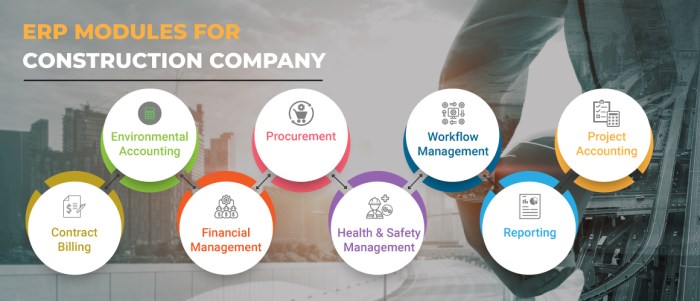
In conclusion, ERP systems have become indispensable tools for construction firms looking to stay ahead in a competitive market. With the right modules and implementation practices, companies can overcome challenges and revolutionize their operations.
Detailed FAQs
What are some common challenges faced when implementing ERP in construction companies?
Some common challenges include resistance to change, data migration issues, and lack of proper training.
How can ERP software improve communication in construction projects?
ERP software provides real-time updates and centralized data, enabling better communication among team members.
What are the key benefits of using ERP systems in the construction industry?
Benefits include improved project management, streamlined operations, enhanced decision-making, and cost savings.